
Gym Fitness Program for Ladies: A Beginner-Friendly Guide
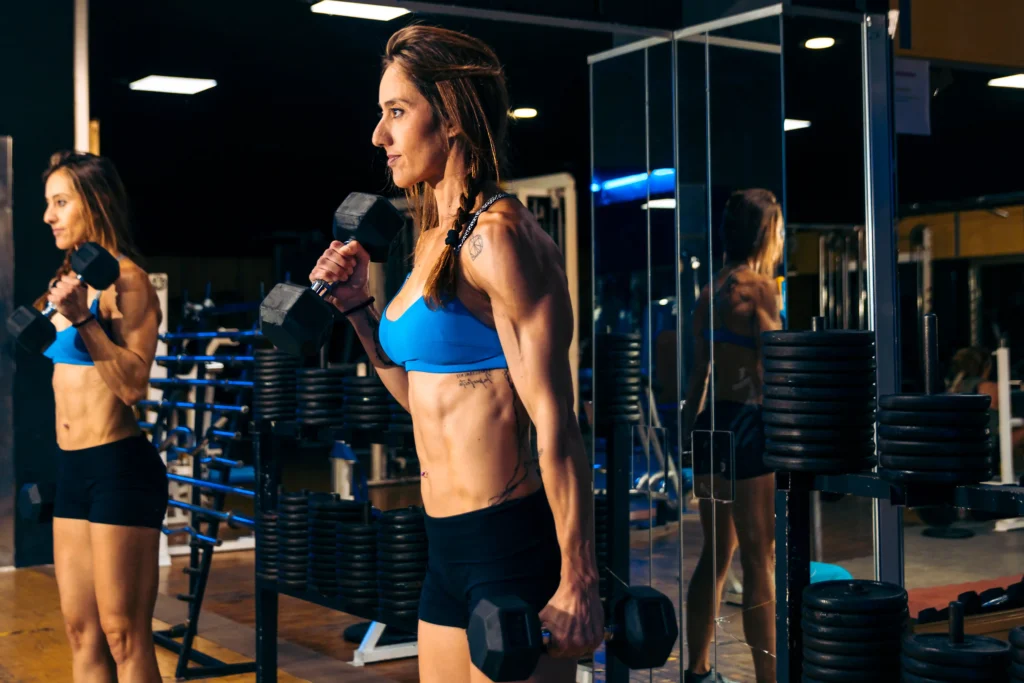
A gym fitness program for ladies should be simple, balanced, and easy to follow, especially for beginners. The best approach focuses on a few essential strength exercises, light cardio, and consistent weekly workouts that help build confidence and strength over time.
Many women want to start exercising but feel unsure about what to do once they step into the gym. A clear beginner plan removes that uncertainty. Instead of moving randomly between machines, you follow a routine that targets your whole body and supports steady progress.
Over the years, we have seen how a structured program helps women stay consistent, feel more comfortable in the gym, and enjoy the journey of becoming stronger and healthier.
Why Should a Gym Fitness Program for Ladies Start Simple?
Many beginners believe they need intense workouts or complicated routines to see results. In reality, the most effective programs start simple and build gradually.
Many women actually see better progress when they begin with a clear plan created by a knowledgeable strength and conditioning coach who focuses on proper form and steady improvement.
Consistency matters far more than intensity during the early stages of fitness. Showing up regularly helps your body adapt, develop strength, and improve endurance without overwhelming you.
Strength training is especially valuable for women. It supports muscle tone, improves bone health, and boosts metabolism. According to health guidelines, adults should include muscle-strengthening activities at least two days per week along with regular physical activity.
A beginner-friendly approach keeps workouts manageable. When the plan feels realistic, people are far more likely to stick with it.
Starting Your Gym Journey Without the Intimidation
Feeling unsure in a gym environment is very common. Many beginners worry that they do not know how to use the equipment or that others are judging them. The truth is that most people in the gym are focused on their own workouts.
A little preparation can make the experience much easier.
Bring comfortable workout clothes, supportive shoes, a water bottle, and a simple workout plan saved on your phone. When you arrive, start with a short warm up such as walking on a treadmill or using a stationary bike.
Some beginners also feel more confident when they work with a reliable personal trainer who can guide them through exercises and help them feel comfortable using different equipment.
Moving through a planned routine helps eliminate hesitation. You know exactly what exercise comes next, and that structure makes the session feel smoother and more productive.
Avoid common beginner mistakes such as skipping warm ups, lifting weights that are too heavy, or comparing yourself to others. Progress comes from patience and consistency.
Benefits of a Beginner Gym Program for Women
Starting a gym routine does more than change how you look. A simple beginner program helps women get stronger, feel more confident, and build healthy habits. Even basic workouts done consistently can improve both your body and your mindset over time.
Here are some of the key benefits many women experience when they begin a structured gym routine:
- Improved Strength for Daily Activities: Regular workouts strengthen muscles that support everyday tasks like lifting groceries, climbing stairs, and carrying children. Daily movements become easier and less tiring.
- Higher Energy Levels Throughout the Day: Exercise improves circulation and oxygen flow, which helps reduce fatigue and increase overall energy.
- Better Bone and Muscle Health: Strength training supports bone density and muscle development, which is especially important for women as they age.
- Increased Confidence and Motivation: As strength improves and progress becomes noticeable, many women feel more confident both inside and outside the gym.
- Healthier Weight Management: Combining strength training with regular movement helps support metabolism and body composition over time.
- Reduced Stress and Improved Mood: Exercise releases endorphins, which naturally improve mood and help reduce stress.
These benefits are one reason why starting with a simple and consistent gym routine can have a powerful impact on long-term health and well-being.
The Best Weekly Structure for Beginners
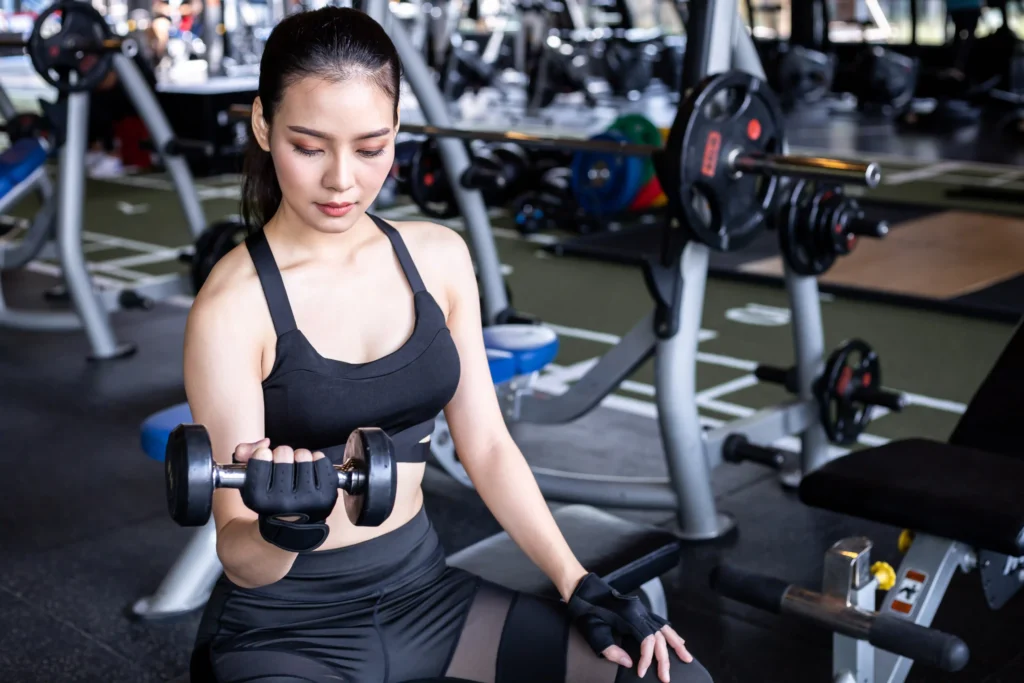
When starting a new routine, simplicity is key. A three day workout schedule works well for most beginners because it allows progress while giving the body time to recover.
Here is a simple weekly structure many beginners can follow:
- Day 1: Full body strength training
- Day 2: Rest or light activity
- Day 3: Strength training workout
- Day 4: Rest or light walking
- Day 5: Strength training workout
- Day 6: Light activity or stretching
- Day 7: Full rest
Rest days are important. Walking, gentle stretching, or yoga can help muscles recover without adding too much stress.
This balanced approach allows beginners to build strength gradually while avoiding burnout.
A Simple Gym Fitness Program for Ladies
A gym fitness program for ladies should focus on full body strength, simple movements, and manageable weights. The exercises below are beginner friendly and target the major muscle groups.
Workout Day 1: Full Body Strength
Start with a five minute warm up such as brisk walking.
Exercises:
- Goblet Squat
- Dumbbell Bench Press
- Seated Row Machine
- Glute Bridge
- Plank
Perform two to three sets of 10 to 12 repetitions for each exercise. Rest about one minute between sets. These movements train the legs, chest, back, and core in one session.
Workout Day 2: Lower Body and Core
Begin with light cardio to warm up the muscles.
Exercises:
- Leg Press or Step Ups
- Dumbbell Romanian Deadlift
- Walking Lunges
- Leg Curl Machine
- Dead Bug Core Exercise
Lower body training builds strength in the hips, glutes, and legs, which support overall stability and posture.
Workout Day 3: Upper Body Strength
Warm up with five minutes of light movement.
Exercises:
- Lat Pulldown
- Dumbbell Shoulder Press
- Incline Push Ups
- Cable Face Pull
- Side Plank
Upper body training improves posture, shoulder stability, and everyday strength.
Choosing the Right Weight as a Beginner
Selecting the proper weight is one of the most common questions new gym members ask.
Start with a weight that allows you to complete the exercise with good form while still feeling slightly challenged near the end of the set. The final two repetitions should require effort but should not feel impossible.
A good rule is to leave one or two repetitions in reserve. This approach prevents injury while still promoting progress.
As exercises begin to feel easier, gradually increase the weight or add additional repetitions.
Fueling Your Body for Better Workouts
Nutrition plays a key role in supporting your workouts. Your body needs fuel to perform well and recover properly.
Protein helps repair muscle after strength training. Foods such as eggs, chicken, fish, beans, and yogurt are excellent options. Some people also prefer a quick high protein pre workout snack, such as Greek yogurt or a protein smoothie, to help maintain energy during training.
Carbohydrates provide energy for workouts. Whole grains, fruits, and vegetables help sustain energy levels throughout the day.
Hydration is equally important. Drinking enough water supports muscle function and prevents fatigue during exercise.
Sleep is another powerful recovery tool. Quality sleep allows muscles to rebuild and prepares your body for the next workout.
How Long Until You See Results?
Many beginners start noticing improvements within four to six weeks of consistent exercise. Strength often improves first, followed by visible changes in muscle tone, endurance, and overall energy levels.
Research supports this timeline. Studies on resistance training have shown that measurable increases in muscle strength can occur after about four weeks of regular training, largely due to improved communication between the brain and muscles during movement.
Physical results will still vary from person to person. Factors like workout consistency, nutrition, sleep, and overall lifestyle all influence how quickly progress happens.
The most important thing to remember is that fitness is a long-term journey. Small improvements each week eventually lead to lasting strength, better health, and greater confidence.
Building Confidence and Strength with the Right Support
Starting a fitness journey feels much easier when you have the right guidance and support. Many women gain confidence faster when they learn proper exercise techniques, follow a clear plan, and have someone there to guide them through the process.
At Figures & Physiques, we have helped many women begin their fitness journey with simple, structured programs designed for real beginners. Our trainers focus on proper form, steady progress, and routines that match each person’s goals and comfort level.
Fitness should feel encouraging, not overwhelming. With the right support and a clear plan, every woman can build strength, stay consistent, and feel more confident in the gym.
Ready to start your fitness journey? Visit Figures & Physiques to learn more about our beginner-friendly training programs and take the first step toward a stronger, healthier you.
Frequently Asked Questions
What time of day is best for women to work out at the gym?
The best time to work out is the time you can stay consistent with. Some women prefer morning workouts because they boost energy for the day, while others feel stronger in the afternoon or evening. Consistency matters more than the exact time of day.
Should beginners focus more on cardio or strength training?
A balanced routine works best. Strength training helps build muscle and improve metabolism, while cardio supports heart health and endurance. Many beginners benefit from combining both in their weekly routine.
How long should a beginner gym workout last?
Most beginner workouts last 45 to 60 minutes. This usually includes a warm-up, strength exercises, and a short cooldown. Keeping workouts manageable helps maintain consistency and prevents burnout.
What should I do if I feel sore after a workout?
Muscle soreness is common when starting a new routine. Light movement such as walking, stretching, or gentle yoga can help muscles recover. Drinking water and getting enough sleep also supports recovery.
Do I need special workout equipment when starting?
No special equipment is required at the beginning. Many beginner workouts use basic gym machines, dumbbells, or bodyweight exercises. As you gain experience, you can explore more equipment and advanced movements.